
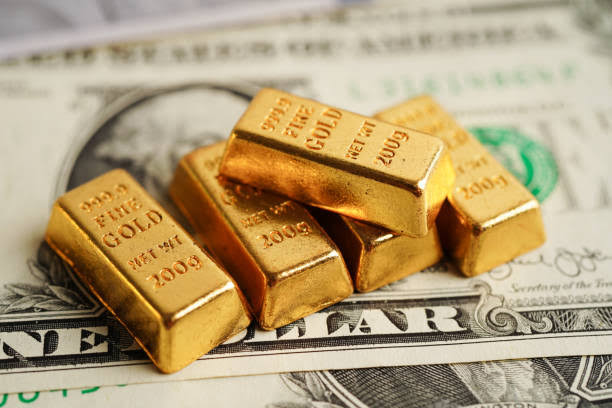
Gold prices can rise due to a combination of economic, geopolitical, and market-related factors. Here are some key reasons why gold might be up
- Inflation Concerns
- Gold is often seen as a hedge against inflation. When inflation rises, the purchasing power of fiat currencies declines, making gold more attractive.
- If recent economic data (like CPI reports) shows higher-than-expected inflation, investors may flock to gold.
- Interest Rate Expectations
- Gold performs better when interest rates are low or expected to fall (since it doesn’t yield interest).
- If the Federal Reserve or other central banks signal rate cuts, gold tends to rise. Conversely, if rate hikes are paused, gold gains appeal.
- Geopolitical Tensions
- Wars, conflicts (e.g., Russia-Ukraine, Middle East tensions), or political instability increase demand for safe-haven assets like gold.
- Investors move away from riskier assets (stocks, bonds) during crises.
- Weaker U.S. Dollar
- Gold is priced in USD, so when the dollar weakens, gold becomes cheaper for foreign buyers, boosting demand.
- A drop in the DXY (Dollar Index) often correlates with higher gold prices.
- Central Bank Buying
- Many central banks (e.g., China, India, Turkey) have been aggressively adding gold to reserves to diversify away from the USD.
- Record central bank purchases in recent years have supported prices.
- Recession Fears
- If economic data suggests a slowdown (e.g., weak GDP, rising unemployment), investors may buy gold as a store of value.
- Gold often outperforms during market downturns.
- Supply Constraints
- Mining disruptions or lower gold production can tighten supply, supporting prices.